
Penpet Petroenergy Corp : The New Way to
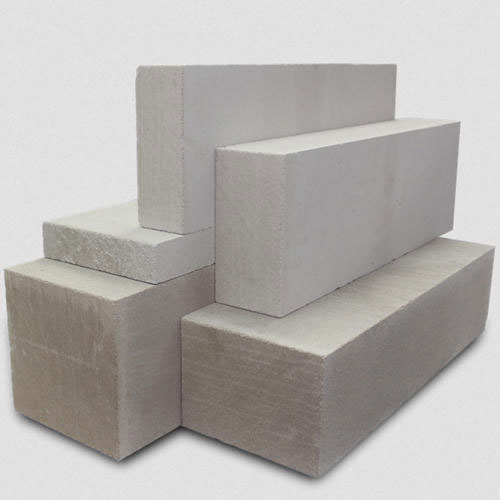
1. LIGHT WEIGHT BLOCK
Lightweight blocks, often made of materials like aerated concrete or expanded clay, are a game-changer in the construction industry. Their low density makes them easy to handle and transport, reducing construction time and costs. These blocks also offer excellent insulation, improving energy efficiency in buildings. They are versatile and can be used for walls, partitions, and facades. Furthermore, their fire-resistant and sound-absorbing properties enhance safety and comfort. Lightweight blocks are an eco-friendly choice, reducing the overall environmental impact of construction. Their usage is integral to modern, sustainable, and efficient construction practices.

2. CEMENT : GREY & WHITE
Cement, available in grey and white variants, is the fundamental binding agent in the construction industry. Grey cement is widely used for structural elements like foundations and walls, prized for its strength and cost-effectiveness. In contrast, white cement, known for its aesthetic appeal, is preferred for architectural finishes, producing vibrant colors when mixed with pigments. Both types play pivotal roles in the construction sector, with grey cement forming the backbone of structures and white cement adding a touch of elegance to facades, decorative elements, and specialty projects like sculptures and high-end concrete products. Together, they enable the diverse facets of modern construction.
3. GYPSUM
Gypsum, a versatile construction material, plays a pivotal role in the industry. Primarily employed in drywall and plaster systems, it offers fire resistance, sound insulation, and smooth surfaces. Gypsum-based boards create sturdy, cost-effective interior walls and ceilings, facilitating quick construction. Additionally, gypsum enhances soil quality when used in agriculture, improving crop yields. Its sustainability, ease of use, and wide-ranging applications have cemented gypsum as an essential component in modern construction and agriculture, contributing to efficient, eco-friendly, and high-performance building practices.


4. WALL PUTTY
Wall putty is a versatile material in the construction industry. This white, cement-based paste smoothens and preps interior walls, concealing imperfections and creating an ideal surface for paint or wallpaper. Its adhesive properties enhance paint adhesion and extend wall life. By filling cracks and dents, it ensures a polished finish and prevents moisture seepage, contributing to wall durability. Easy to apply, wall putty is a crucial component for achieving a flawless and aesthetically pleasing interior in both residential and commercial construction, providing a clean, long-lasting, and visually appealing foundation for wall finishes.
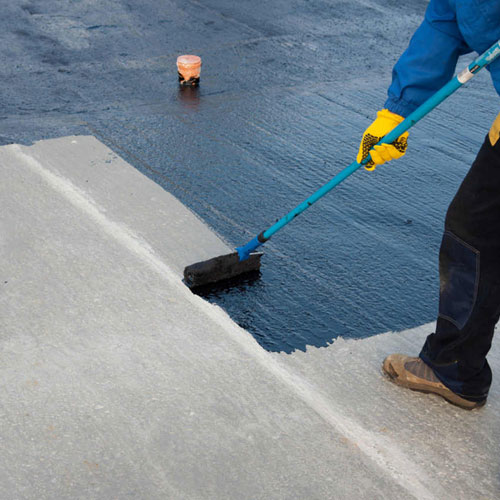
5. WATER PROOFING
Waterproofing is a critical element in the construction industry, preventing water infiltration into structures, thus safeguarding against moisture-related damage. It is applied to a range of building components, including roofs, foundations, basements, and walls. By creating a protective barrier, waterproofing materials and techniques ensure structural integrity and longevity, reducing the risk of mold, corrosion, and structural decay. In both residential and commercial construction, waterproofing is an essential investment to preserve property value and maintain safe, dry, and habitable spaces, ultimately contributing to the sustainability and longevity of buildings.

6. JOINT SEALANTS
Joint sealants, a vital component in construction, serve as protective barriers against moisture, air, and debris infiltration. They are applied to gaps and joints in structures, including buildings, roads, and bridges. These sealants prevent water damage, air leakage, and structural deterioration, enhancing the longevity and energy efficiency of constructions. In addition to sealing, they aid in accommodating structural movement, mitigating noise, and providing fire resistance. Joint sealants are crucial for maintaining the integrity and functionality of buildings and infrastructure, ensuring safety, durability, and overall performance in the construction industry.