
Penpet Petroenergy Corp : The New Way to
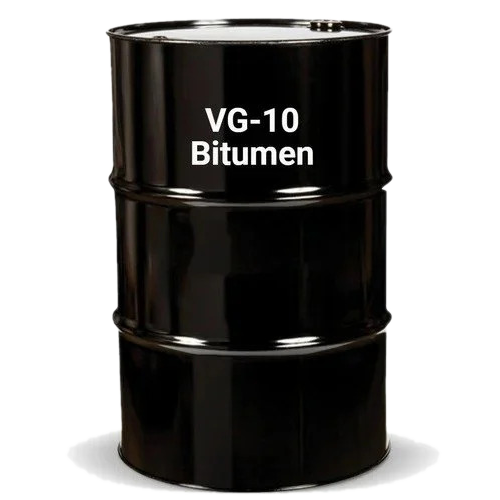
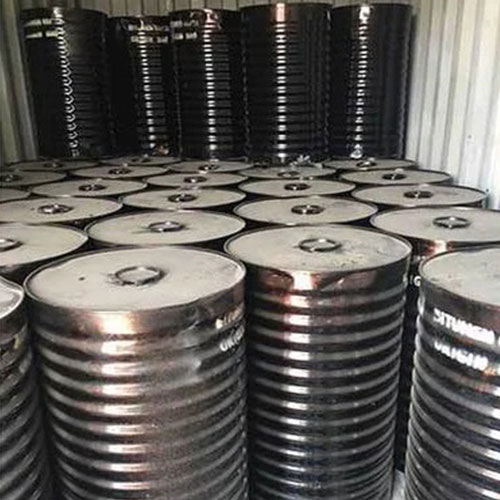
1. Bitumen VG 10
Bitumen VG 10, a medium-hard penetration-grade bitumen, boasts a penetration value between 80 and 100 tenths of a millimeter, reflecting its moderate consistency. Known for its versatility, it's utilized extensively in road construction, roofing, and waterproofing applications. VG 10 is celebrated for its ability to withstand varying temperatures while maintaining durability. It is commonly blended with aggregates for asphalt concrete mixtures. This bitumen type is readily available, cost-effective, and adheres to established industry quality standards, ensuring its reliability in construction projects where a medium-soft consistency is required.

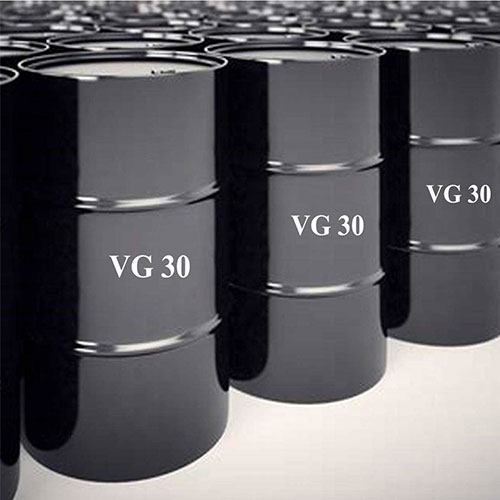
2. BITUMEN VG 30
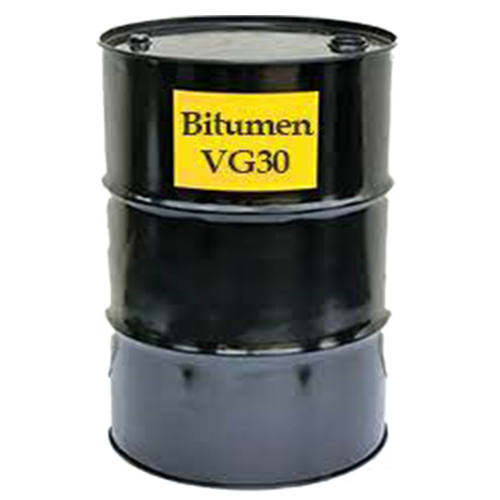
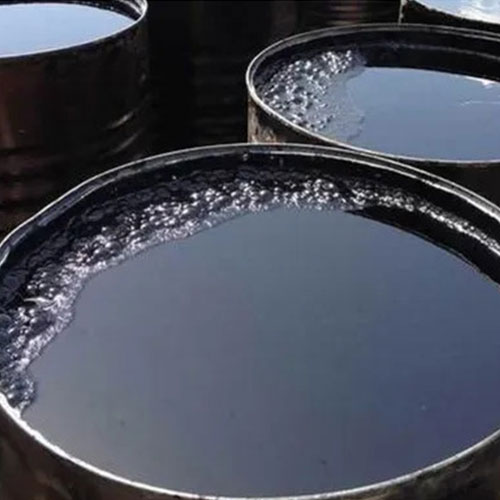
Bitumen VG 30 is a versatile asphalt binder with a medium penetration grade. It possesses a balance of hardness and flexibility, making it suitable for various construction applications. VG 30 offers excellent adhesion and durability, ideal for road construction, asphalt mixtures, and waterproofing. This penetration-grade bitumen provides good resistance to temperature fluctuations, ensuring its stability in both high and low-temperature environments. VG 30 meets stringent quality standards and is a reliable choice for projects where a medium-consistency bitumen is needed to create durable, long-lasting surfaces, whether it's for roadways, roofing, or other infrastructure projects.
3. BITUMEN VG 40
Bitumen VG 40 is a penetration-grade bitumen known for its medium hardness and consistency. With a penetration value in the range of 40, it strikes a balance between softness and hardness. This bitumen type is widely used in road construction, asphalt pavements, and other applications where a resilient, yet workable, binder is required. VG 40 provides good adhesion, durability, and resistance to temperature fluctuations, making it a versatile choice for various construction projects. Its reliability and cost-effectiveness make it a preferred option for creating long-lasting, high-quality asphalt surfaces.


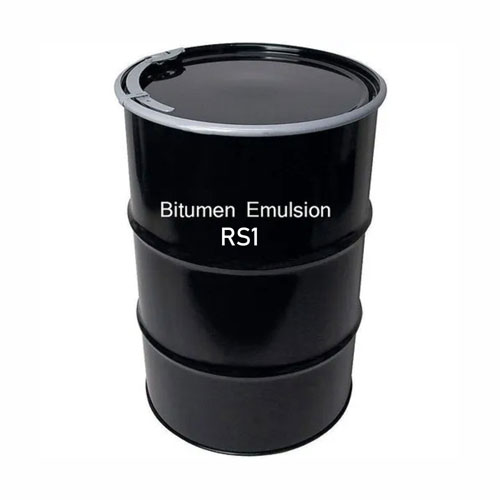
4. EMULSION RS1
EMULSION RS1 is a widely used bitumen emulsion in road construction. It consists of bitumen droplets suspended in water, enhancing its ease of application. RS1 is renowned for its rapid-setting properties, making it ideal for sealing and repairing road surfaces. This emulsion is employed to bond asphalt layers, ensuring improved adhesion and durability in various weather conditions. Its versatile nature allows for effective use in a multitude of road maintenance and repair projects, making EMULSION RS1 a vital tool in the construction and upkeep of road networks, ultimately contributing to safer and more resilient transportation infrastructure.
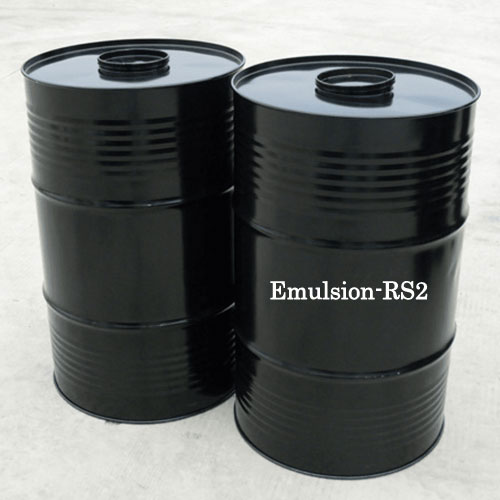
5. EMULSION RS2
EMULSION RS2 is a versatile bitumen emulsion widely used in road construction. This cationic slow-setting emulsion is renowned for its excellent adhesive properties, making it ideal for various applications. It's commonly employed for prime coating, tack coating, and as a binder in chip seal and slurry seal projects. EMULSION RS2 is known for its efficient mixing with aggregates and superior adhesion to road surfaces. Its slow-setting characteristic allows for extended workability, ensuring optimal construction quality. With a reputation for stability, versatility, and durability, EMULSION RS2 plays a vital role in enhancing the longevity and performance of road infrastructure.
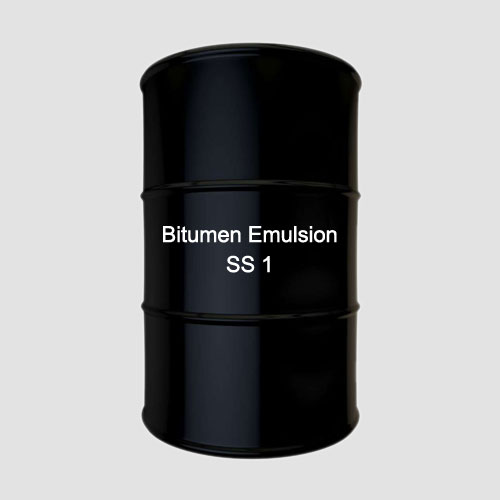
6. EMULSION SS1
EMULSION SS1, a widely used asphalt emulsion, is a versatile and cost-effective binding agent for various road construction applications. This Slow-Setting (SS) emulsion is designed to offer extended workability, making it ideal for surface treatments, chip seals, and tack coating. It effectively bonds aggregates to road surfaces, enhancing durability and preventing moisture intrusion. EMULSION SS1 provides excellent adhesion properties and offers a slower curing time, ensuring optimal workability during application. This emulsion is a crucial component in road maintenance, providing an efficient and durable solution for road preservation and construction needs, benefiting infrastructure projects worldwide.
7. EMULSION SS2
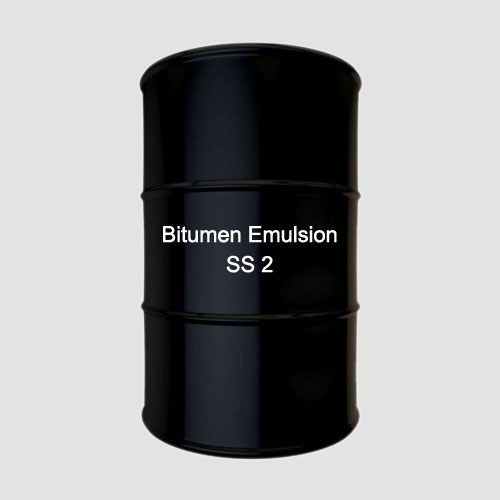
SS-2 Emulsion is a widely used asphalt emulsion in road construction. Composed of bitumen, water, and an emulsifying agent, it's a versatile binder. SS-2 is known for its easy handling and application at ambient temperatures. This slow-setting emulsion effectively bonds aggregates and base layers in asphalt pavements, providing strong adhesion. With its lower viscosity and fine particle size, SS-2 offers excellent coating properties, ensuring a uniform and smooth surface. Its adaptability to various road construction and repair projects, combined with its environmental benefits due to reduced energy consumption during application, makes SS-2 Emulsion a popular choice in the construction industry.

8. FURNESS OIL
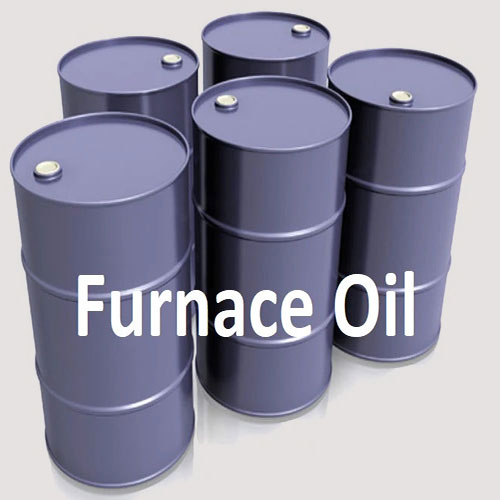
Furness Oil is a trusted provider of heating and fuel solutions. Based on decades of expertise, they deliver reliable and efficient oil services to homes and businesses. Their commitment to customer satisfaction is evident in their prompt deliveries and responsive customer support. Furness Oil offers high-quality heating oil, diesel, and lubricants, ensuring the warmth and smooth operation of furnaces and machinery. With a strong focus on environmental responsibility, they also offer eco-friendly fuel alternatives. Serving the community with integrity, Furness Oil is the go-to choice for energy solutions, blending tradition with innovation for a sustainable and comfortable future.
9. LIGHT DIESEL OIL
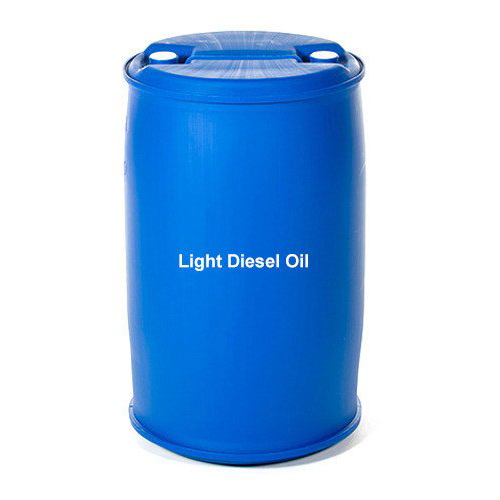
Light Diesel Oil (LDO) is a versatile and widely used fuel known for its clean-burning properties. This petroleum product is commonly employed in industrial and commercial settings. It possesses a lower viscosity and lower energy density compared to heavy fuels, making it suitable for a variety of applications, including heating, power generation, and diesel engines with lower performance demands. LDO is valued for its efficient combustion, making it an environmentally friendly choice that reduces emissions and extends the life of engines. Its versatility, coupled with its relatively low cost, makes LDO a preferred fuel in many sectors where a cleaner and cost-effective option is needed.



10. MHO & MTO
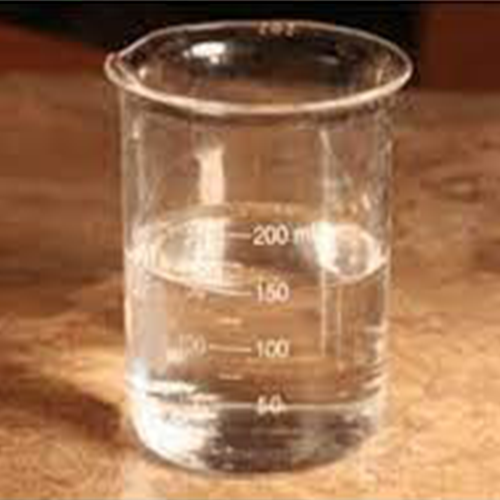
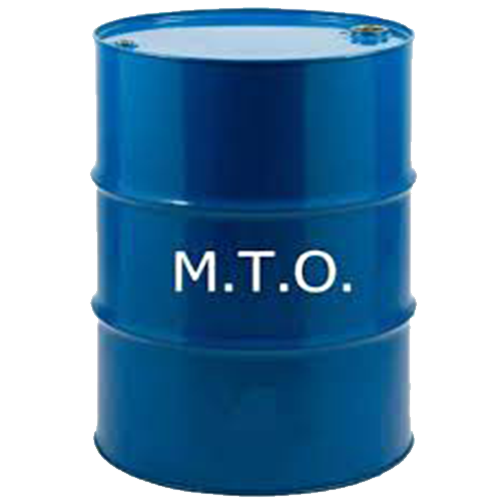
Mineral Turpentine Oil (MTO): Mineral Turpentine Oil, often referred to as MTO, is a versatile, clear liquid hydrocarbon solvent distilled from petroleum. It serves a myriad of purposes, including paint thinning, cleaning, and as a general-purpose solvent. MTO's low odor and fast evaporation rate make it a valuable ingredient in various industrial and household applications.
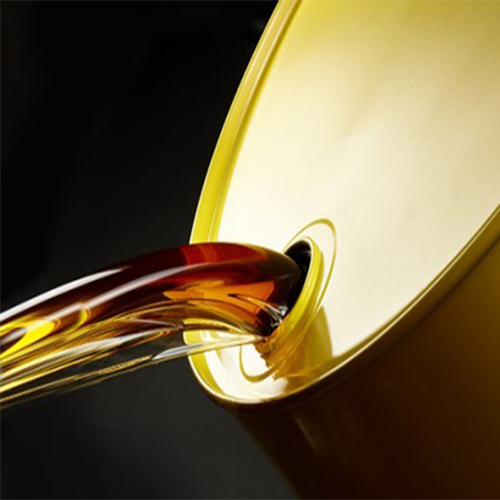
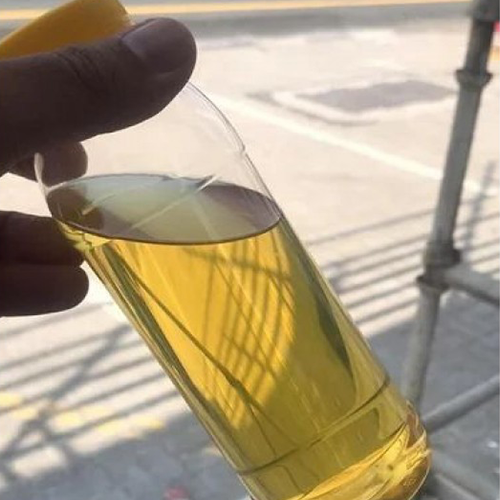
Mixed Hydrocarbon Oil: Mixed Hydrocarbon Oil is a blend of hydrocarbon-based compounds. This versatile oil mixture finds extensive use as a lubricant, cutting fluid, and in industrial processes requiring a non-specific hydrocarbon solvent. Its adaptable nature makes it a valuable choice for various mechanical and industrial applications, ensuring smooth operations and machinery protection.
11. FUEL OIL
Fuel oil is a dense, viscous liquid derived from crude oil refining, used primarily in heating and power generation. It's classified into various grades, including heavy and light fuel oils. Commonly used in industrial boilers, furnaces, and ships, it provides a reliable source of energy due to its high energy density. The higher-grade variants, such as No. 6 fuel oil, are used in power plants and large industrial applications. While more environmentally challenging than cleaner fuels, fuel oil remains a vital energy source for specific applications, demanding careful handling and storage to ensure safety and minimize environmental impact.

12. BASE OIL
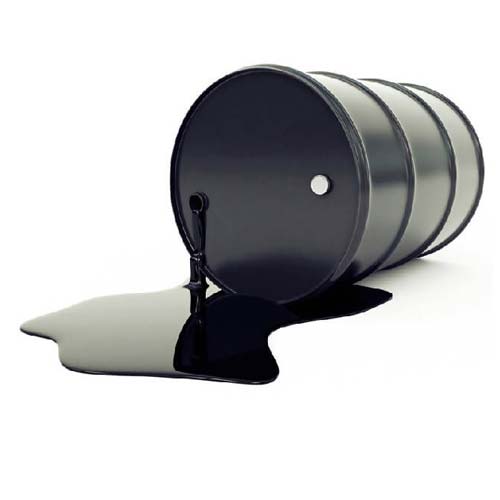
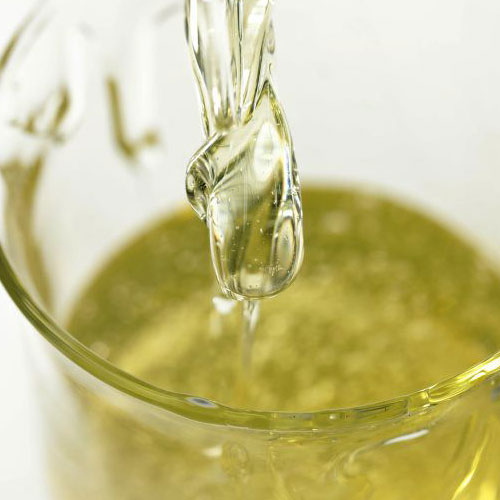
Base oil is a vital lubricant component, providing the foundation for various industrial and automotive oils. Derived from crude oil refining, it undergoes extensive processing to remove impurities and achieve the desired viscosity. Base oils come in various grades, including Group I, II, III, IV, and V, each offering specific performance characteristics. These oils serve as the primary medium for additives, enhancing lubricant properties, such as friction reduction, wear protection, and thermal stability. Base oil's purity and quality are crucial for ensuring the effectiveness and longevity of lubricants, making it a fundamental element in the world of machinery and engine maintenance.
13. VISCOCITY INDEX IMPROVER
A viscosity index improver is a polymer additive used in lubricating oils to enhance their performance across a range of temperatures. It minimizes the viscosity changes that occur with temperature fluctuations, improving the oil's ability to flow smoothly in both high and low-temperature conditions. By maintaining consistent viscosity, it ensures better lubrication, protecting engines and machinery. Viscosity index improvers are crucial for maintaining optimal lubricant performance in diverse climates and operational settings. These additives help extend the longevity of equipment and contribute to more efficient and reliable mechanical operations.
14. CRUMB RUBBER
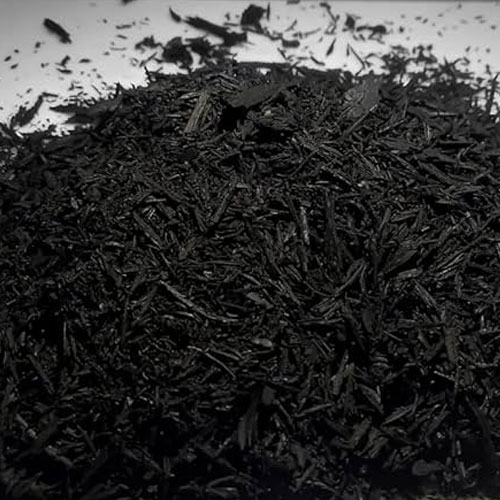
Crumb rubber is a recycled rubber material produced by shredding and grinding discarded tires into small, granular particles. These particles are typically used as a sustainable and eco-friendly component in various applications. Crumb rubber finds use in playground surfaces, athletic tracks, road construction, and as a key ingredient in rubberized asphalt. Its versatile and shock-absorbent properties make it ideal for impact-resistant and environmentally responsible solutions, reducing waste and contributing to the development of more resilient and sustainable products in industries ranging from construction to sports and recreation.
15. PMB
Polymer Modified Bitumen (PMB) is a high-performance asphalt binder created by blending regular bitumen with specialized polymers. This modification enhances its properties, resulting in increased elasticity, resistance to temperature variations, improved adhesion to aggregates, and greater durability. PMB is extensively used in road construction and infrastructure projects to create long-lasting, high-quality asphalt surfaces that can withstand heavy traffic loads, extreme weather conditions, and reduce maintenance needs. Its versatility and superior performance make Polymer Modified Bitumen a crucial component in modern construction, ensuring safer and more robust roads and infrastructure.
16. COLD CURE BITUMEN
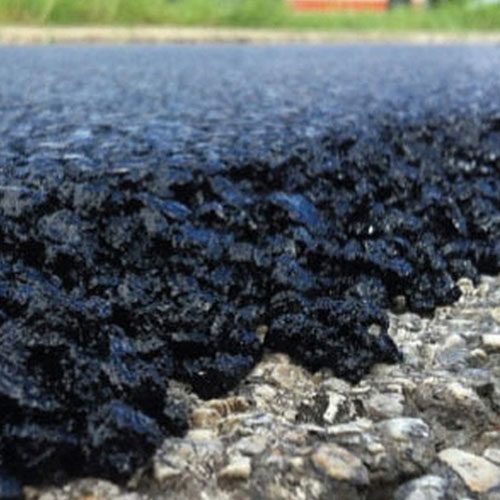
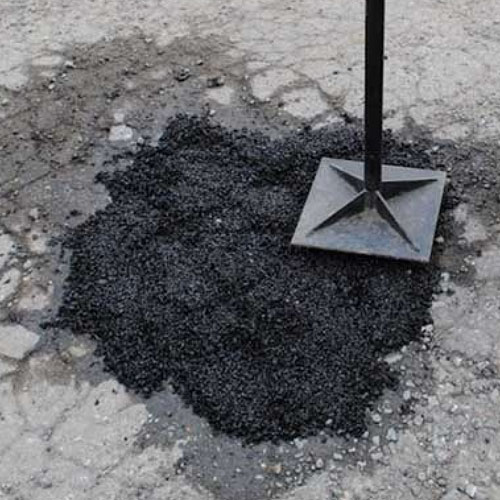
Cold cure bitumen is a specialized asphalt product designed for low-temperature applications. It remains pliable even in cold conditions, making it ideal for repairs and maintenance during colder seasons. This bitumen can be used for patching potholes, sealing cracks, and fixing asphalt surfaces without the need for extensive heating equipment. It is a cost-effective solution for quick and durable road repairs, ensuring safety and smooth traffic flow year-round. Cold cure bitumen simplifies maintenance operations by eliminating the need for hot mix asphalt, saving time and energy while maintaining road quality in adverse weather conditions.