Penpet Petroenergy Corp : The New Way to
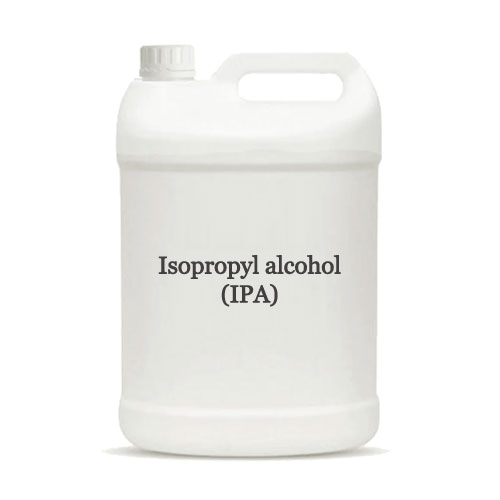
1. IPA
Isopropyl alcohol (IPA), a versatile solvent, finds extensive use in the pharmaceutical industry. It serves as a critical component for manufacturing medicines, disinfectants, and pharmaceutical equipment. IPA is crucial for cleaning and sanitizing surfaces, tools, and production environments, ensuring aseptic conditions. It's also used to dissolve and extract various pharmaceutical compounds, making it essential for drug formulation and quality control processes. Its rapid evaporation and antimicrobial properties further enhance its role in pharmaceutical manufacturing, guaranteeing product safety and efficacy. In essence, IPA plays a pivotal role in maintaining pharmaceutical product quality, sterility, and compliance with stringent regulatory standards.
2. ACETONE
Acetone is a vital solvent in the pharmaceutical industry. Its exceptional ability to dissolve and purify compounds makes it crucial for drug formulation and manufacturing. It's used for extracting, crystallizing, and purifying pharmaceutical components, ensuring the production of high-purity drugs. Acetone is also essential in quality control processes, helping assess drug content and stability. Additionally, it aids in the creation of pharmaceutical coatings and films, ensuring precise drug delivery mechanisms. Overall, acetone plays a pivotal role in pharmaceutical research, development, and production, enabling the safe and effective manufacture of life-saving medications.
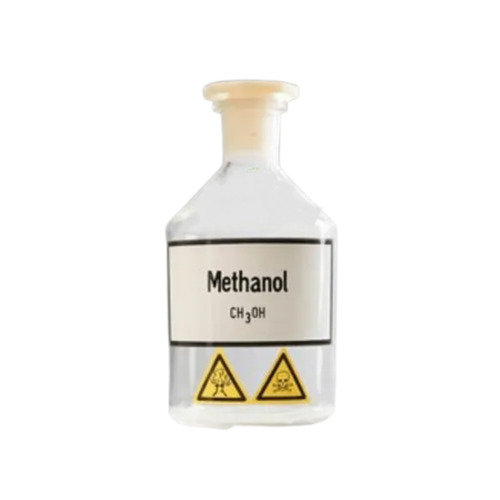
3. METHANOL
Methanol, a colorless, flammable alcohol, is used in the pharmaceutical industry primarily for producing high-purity solvents and reagents. It is integral in the manufacturing of medications, including antibiotics, steroids, and vitamins. Methanol's exceptional solvent properties facilitate the extraction and purification of pharmaceutical compounds. Additionally, it is employed in quality control tests to ensure drug formulations meet stringent standards. However, due to its toxicity, stringent quality control measures are in place to guarantee the absence of impurities, making methanol a crucial but carefully regulated component in pharmaceutical production.
4. GLYCOLS
Glycols, such as propylene glycol and ethylene glycol, play a pivotal role in the pharmaceutical industry. They are extensively used as solvents, preservatives, and stabilizers in the formulation of oral and topical medications, injectable drugs, and various pharmaceutical products. Glycols enhance drug solubility, assist in controlled drug release, and improve the stability of formulations. Additionally, they act as carriers for active pharmaceutical ingredients in a range of drug delivery systems, including gels, creams, and suppositories. Their versatility and safety make glycols vital components in pharmaceutical manufacturing, contributing to the effectiveness and quality of numerous medications.
5. GLYCERIN
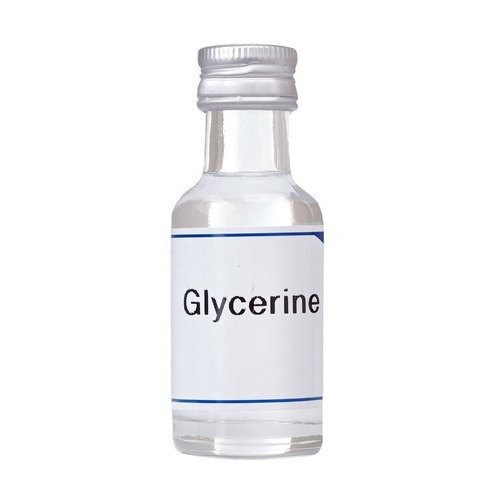
Glycerin, a colorless and odorless liquid, is invaluable in the pharmaceutical industry. Its versatile applications include serving as a solvent, humectant, and lubricant in drug formulations. Glycerin’s ability to retain moisture and maintain consistency in medications makes it a key ingredient in various oral and topical pharmaceutical products. It aids in tablet production, suppositories, and cough syrups while ensuring the stability and quality of pharmaceutical compounds. Glycerin is also used in the production of ointments, creams, and lozenges, improving their texture and effectiveness. Its pharmaceutical significance lies in its role as a multifaceted excipient enhancing the efficacy of numerous medicinal products.